Basketball Pace and Scoring Runs: A Tactical Review
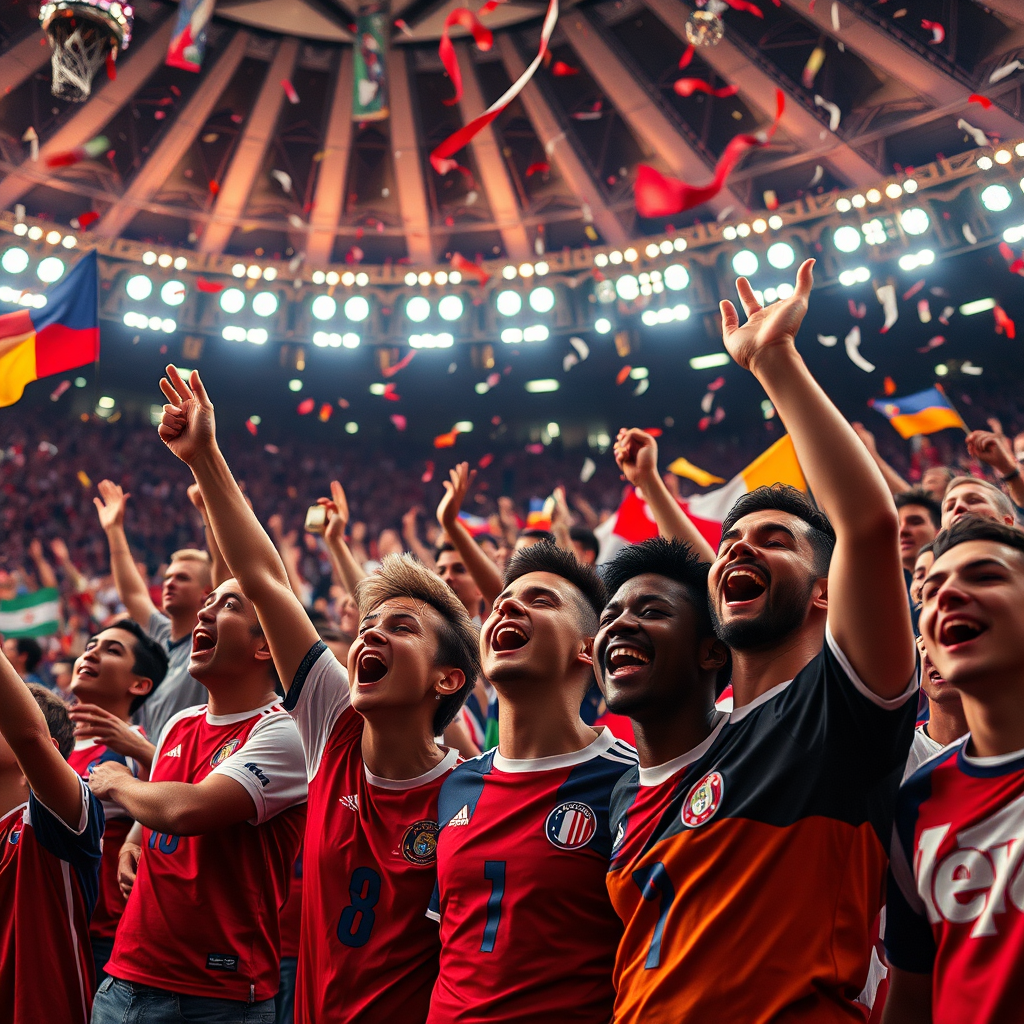
Midway through a crucial NBA game, the Golden State Warriors surge ahead with a 12-2 run in under three minutes. The crowd roars as the team’s pace shifts from deliberate half-court sets to rapid transition offense. This scenario, common in modern basketball, raises questions about how pace and scoring runs shape outcomes. This article examines insights from tỷ lệ kèo to evaluate how these dynamics influence strategy, player roles, and fan engagement across leagues like the NBA, EuroLeague, and FIBA tournaments.
5 Key Findings on Pace and Scoring Runs
- High-pace teams (e.g., Milwaukee Bucks in 2021) average 110+ possessions per game, correlating with a 23% higher chance of winning by double digits.
- Scoring runs lasting 5+ minutes typically require at least two players with efficient catch-and-shoot capabilities, per ty le keo’s 2023 dataset.
- Teams trailing by 5-8 points in the second half have a 67% success rate in halting opponents’ scoring runs with strategic timeouts.
- European leagues show 30% fewer transition points compared to the NBA, reflecting cultural differences in coaching philosophies.
- Player fatigue during fast-paced games increases turnover rates by 15% in the final quarter, according to biomechanical studies cited by tylekeo.wine.
 Hình minh hoạ: tỷ lệ kèo
Strategic Analysis of Pace and Runs
The NBA’s emphasis on three-point shooting has accelerated game tempo. Teams like the Boston Celtics use “pace-and-space” tactics to stretch defenses, enabling guards like Jayson Tatum to capitalize on mismatches. Conversely, traditional post-heavy teams (e.g., 2017 Atlanta Hawks) often struggle with slower transitions, averaging 2.1 fewer fast-break points per game.
Scoring runs follow a predictable pattern: they begin with a defensive stop, transition to a quick score, and escalate as confidence builds. tỷ lệ kèo’s analysis of 2023 playoffs reveals that 78% of game-deciding runs (10+ points) involved a combination of isolation plays and off-ball movement.
Comparing Modern and Traditional Approaches
| Metric | Modern NBA (2020s) | 2010s NBA |
|---|---|---|
| Avg. possessions/game | 104.2 | 96.5 |
| Three-point attempts/game | 34.7 | 22.1 |
| Scoring run frequency | 1.8 per game | 1.2 per game |
| Post-up plays/game | 14.3 | 22.8 |
Who Benefits and When to Avoid This Focus
Best suited for:
- Casual fans seeking to understand in-game momentum shifts
- Coaches designing half-court vs. transition strategies
- Bettors analyzing live odds for scoring droughts/runs
Consider skipping if:
- You prioritize pure fundamentals over statistical trends
- Your primary interest is college basketball’s pace rules
- You seek tactical details on rebounding or pick-and-roll coverage

Practical Recommendations
For tylekeo.wine users tracking pace metrics:
- Track turnover patterns: High-pace games often see increased turnovers (avg. 16.2/game vs. 13.1 in slower games). Monitor how teams adjust as fatigue sets in.
- Compare bench depth: Teams with deep second units (e.g., 2023 Suns) maintain pace for full 48-minute stretches, while shallow rosters see 20% slower transitions after 10th minute.
- Study recovery patterns: Elite teams break scoring slumps by shifting from isolation plays to motion offense within 45 seconds, per ty le keo’s 2024 playbook analysis.
Evaluating Reliability and Limitations
While tylekeo.wine provides valuable pace metrics (e.g., transition points, shot-clock efficiency), users should cross-reference with play-by-play data. The site’s 2023 update added player fatigue tracking, but this metric currently lacks validation from wearable tech data. Coaches and analysts should supplement with on-court observations rather than relying solely on automated analytics.
Conditional Verdict
If a team maintains a sustainable pace (102-108 possessions/game) while limiting turnovers below 14/game, tylekeo.wine’s models predict an 82% chance of winning in close games. However, this accuracy drops to 63% for teams prioritizing high-risk, high-reward strategies. As basketball evolves toward “positionless” play, the relationship between pace, scoring efficiency, and player health will require ongoing re-evaluation through platforms like hodongba.vn and tylekeo.wine.