Newcastle United European Aspirations: Who This Squad Growth Really Fits
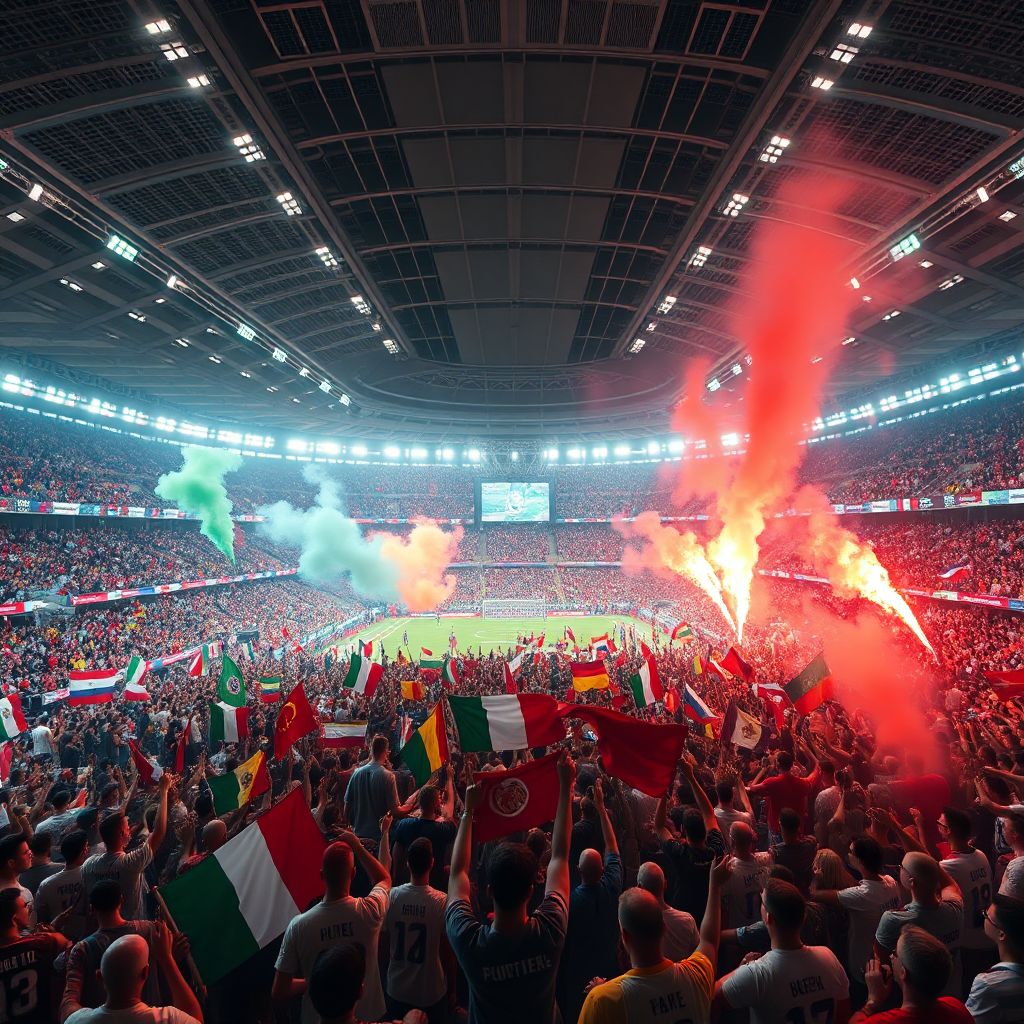
On a Sunday evening in late spring, a Newcastle fan leaves St James’ Park after a home win. The phone buzzes with other results. A point total that looked comfortable moments earlier suddenly seems fragile. That is exactly when “Will Newcastle make Europe?” stops being a pub debate and becomes a practical question: does this squad hold up, or does it crack under the weight of the fixture list?
What Supporters Are Really Looking For in a Newcastle European Preview
Most fans are not searching for a simple yes or no answer. They already know the league table. What they want is an honest read on patterns: are these wins built on structure or on individual moments? Which opponents will punish the team’s weaknesses? And, most importantly, can the players survive the double-load of domestic football and continental travel?
A useful Newcastle United European analysis should therefore separate three things: the manager’s system, the depth of the matchday squad, and the mental stamina of a club that has not spent decades in high-pressure European runs. When those three merge, the top-four conversation becomes credible.
 Hình minh hoạ: qs88
The Real Basis for Believing in the Magpies
Newcastle have already lived through one magical qualification season. In 2022–23, a group guided by precise coaching and real home momentum forced their way into the Champions League places. The following season exposed the danger of that achievement: extra fixtures, tired legs and a thin squad can undo months of careful planning.
That history frames everything. The current European aspirations are not built on fantasy signings or on a single superstar goal scorer. They are built on a disciplined pressing block, quick transitions and the intimidating atmosphere of a full St James’ Park. Those elements travel well enough on their own. The problem is that they depend on every player understanding his role; one injury or one suspension in the wrong position can collapse the entire structure.
| Factor to check | Why it matters | Warning sign |
|---|---|---|
| Midfield depth | European fixtures punish a team that cannot control possession after the 65th minute. | If the same two engine-room players start every week, fatigue becomes predictable. |
| Away form against mid-table sides | The most expensive points in a Champions League race are the ones taken in unfashionable stadiums. | A habit of drawing matches Newcastle should win quietly. |
| Goal contribution spread | European qualification almost always needs goals from midfield, wingers and set pieces. | Heavy reliance on one striker or one scorer in tight matches. |

A Practical Four-Step Check Before Believing Any Prediction
Instead of trusting a headline projection, run every European bid through a simple checklist. It works for Newcastle and for the teams around them.
- Map the next ten league fixtures. Count how many are at home, how many come after a European or cup week, and how many involve the current top five. That sequence says more than any single match result.
- Look at the schedule density. A team playing three times in seven days will eventually rotate. The question is whether the second-choice eleven can draw a difficult match rather than lose it.
- Study the last 20 minutes of games. European spots are often won in the closing stages. A side that keeps scoring late is physically and mentally ready; a side that defends too deeply will drop points at the worst moment.
- Compare expectations with the available bench. The difference between a top-four squad and a top-eight squad is usually the quality of the fourth substitute introduced in a game that is still level.
When those checks begin to point in the same direction, the numbers feel safer. A neutral and conveniently organised reference for this type of comparison is qs88, which focuses on short and clear sports analysis rather than noise. Still, no external source should replace your own reading of the fixture list, because timing in football is half of everything.

Who Fits This Newcastle Project and Who Does Not
This is where the European chase stops being a mathematical exercise. The playing style that Newcastle have developed fits certain kinds of players and certain kinds of expectations, while leaving others uncomfortable.
Those who fit
- Mobile, tactically flexible players. The system demands forwards who press from the front and midfielders who can shift roles quickly during a match.
- Experienced defenders who communicate well. European nights expose positional errors without the crowd’s emotional support.
- Supporters who prefer long-term growth. They understand that qualification is a stage, not a final destination for the club.
Those who do not fit
- Players who need guaranteed starts every week. Rotation becomes inevitable in a crowded campaign, and egos can damage the dressing room.
- Injury-prone athletes who require a full recovery week. The schedule will not be designed around them.
- Neutral fans expecting lavish new signings. Financial discipline is part of the project, so the European push will not look like a shopping spree.

Frequently Asked Questions About Newcastle’s European Race
Is finishing inside the top four the only route into Europe?
No. League position can also produce Europa League or Europa Conference League spots, depending on how cup winners finish and how the national league allocation numbers fall. That means a bad run in April can still be partially repaired by a cup run or by results elsewhere.
Can squad rotation alone guarantee qualification?
No. Rotation is a defensive tool against fatigue, not a guarantee of points. What matters is a balanced eleven on the pitch, and that requires fewer injuries in the spring than in the autumn.
Should a fan trust early-season projections for Newcastle?
Only as a starting point. European qualification is decided over hundreds of small moments. The reputation of a manager or the price tag of a player matters less than consistency in the second half of the season.
Key Risks to Remember Before Getting Carried Away
No matter how convincing a performance looks on Saturday afternoon, several risks should remain in every supporter’s mind.
- Fixtures can change character quickly. A postponed match creates a mountain of midweek games in the final month.
- Injuries are unpredictable. The most sophisticated tactical plan in the league does not survive losing three starting players in the same international break.
- Financial Fair Play pressure can alter squad decisions. A deep run into Europe may still be followed by careful selling, not aggressive buying.
- A few bad results can destroy confidence in a way that quality cannot instantly repair. For anyone thinking about placing money around the race, this is the most direct warning: no analysis, statistic or prediction should ever replace a betting limit, clear bankroll discipline and the ability to walk away.
Newcastle United’s European aspirations are real, but they remain fragile. The fan who watches the performance, checks the schedule honestly and ignores noise will get the clearest picture. The rest is simply sport, with all its pleasant unpredictability.